05Jan/19

What about “Pet Food”?

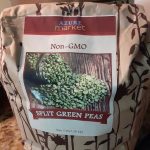
In years past, the concept of what to feed a companion parrot was typically limited to bags of “bird seed” mixes of dubious ingredients and quality. Most were “animal feed” grade offerings, designed to maximize profits for the companies that sold them. Then came “pellets” –   kibble-like products that are touted by manufactures as an “optimal diet.”  But are most of them made with “human grade” ingredients?  The likely answer is no.

The difference between “animal feed” grade diets, and “human grade” food is immense. There are very few  impartial articles relating to avian or exotic commercially-available diets, however there are many good articles as the terms relate (legally) to the production of “pet” foods – mostly for dogs and cats.

Here is an excellent article on the difference between “feed” and “food” —

http://truthaboutpetfood.com/is-it-feed-or-food/

While this article primarily relates to manufacture of dog and cat foods, the takeaway for families with birds is this: if you are buying your “feed” at a pet store, the regulations regarding it’s manufacturing and packaging DO NOT MEET HUMAN FOOD STANDARDS. In the aforementioned link to Susan Thixton’s article, you see:

” …“CPG Sec. 675.200 Diversion of Adulterated Food to Acceptable Animal Feed Use” states “The *Center* will consider the requests for diversion of food considered adulterated for human use in all situations where the diverted food will be acceptable for its intended animal food use. Such situations may include:
a. Pesticide contamination in excess of the permitted tolerance or action level.
b. Pesticide contamination where the pesticide involved is unapproved for use on a food or feed commodity.
c. Contamination by industrial chemicals.
d. Contamination by natural toxicants.
e. Contamination by filth.
f. Microbiological contamination.
g. Over tolerance or unpermitted drug residues.

Diversion means THE WASTE (unallowable, contaminated foods) from HUMAN FOOD processing is used (DIVERSION) for “animal food use.” So things like “pesticide contamination in excess of permitted (FOR HUMANS) tolerance” or “contamination” by chemicals, toxins, FILTH, MICROBIOLOGICAL (germs!) and DRUG RESIDUES  — ARE — allowed in “pet foods” aka “animal feed” grade food ingredients.

So these same STANDARDS govern what goes into ANY “animal feed” grade foods – be it a can of wet cat food, any of the dry kibbled/pelleted foods, or even seed and grain mixes. Aflatoxin levels permitted in HUMAN food are held to 20ppb (parts per billion) as opposed to 300ppb that is allowed in “animal feed” for feed lot cattle. (Note that lower allowances are made for immature animals). Information on the action level for aflatoxin contamination is here:
https://www.fda.gov/media/121202/download

Do you want to trust your bird’s health to ingredients that are UNFIT FOR HUMAN CONSUMPTION? Avoid foods that are not human grade. If it’s prepared by standards that make is SAFE for us to eat, then it’s going to be SAFE for them to eat.

04Jan/19

Keep it clean!

Clean hands for health!


Let’s start out by discussing aseptic technique. What is that? Well, it means, without germs. Aseptic technique eliminates as many pathogens (illness-causing organisms) as possible. Why is that important? When you are serving fresh food (food you aren’t going to cook), it’s very important to reduce the amount of germs.
 
– Keeping pathogens out of the food helps it last longer.
– Bacteria and fungi are designed to break down food so that it can be recycled back into the soil. The less bacteria, the more nutrition is retained.
– Food is SAFER when you reduce the amount of organisms.
 
 
How? By:
– Cleaning work surfaces
– Using clean utensils, bowls and storage containers
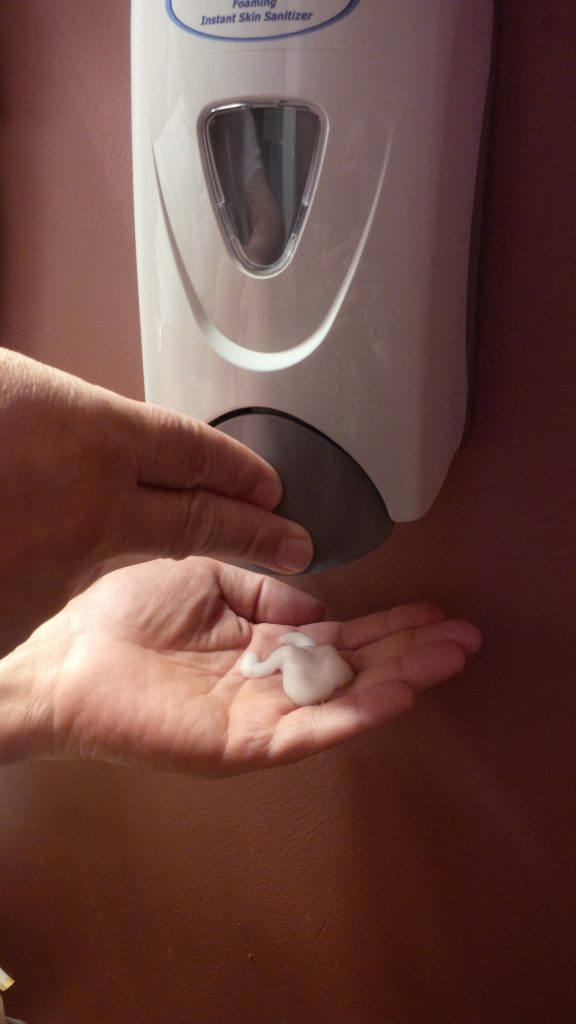
– THOROUGHLY washing hands and/or using disposable gloves when handling foods
– Avoiding contamination while working – don’t touch dirty surfaces with clean or gloved hands! If you do, wash hands again and change gloves.
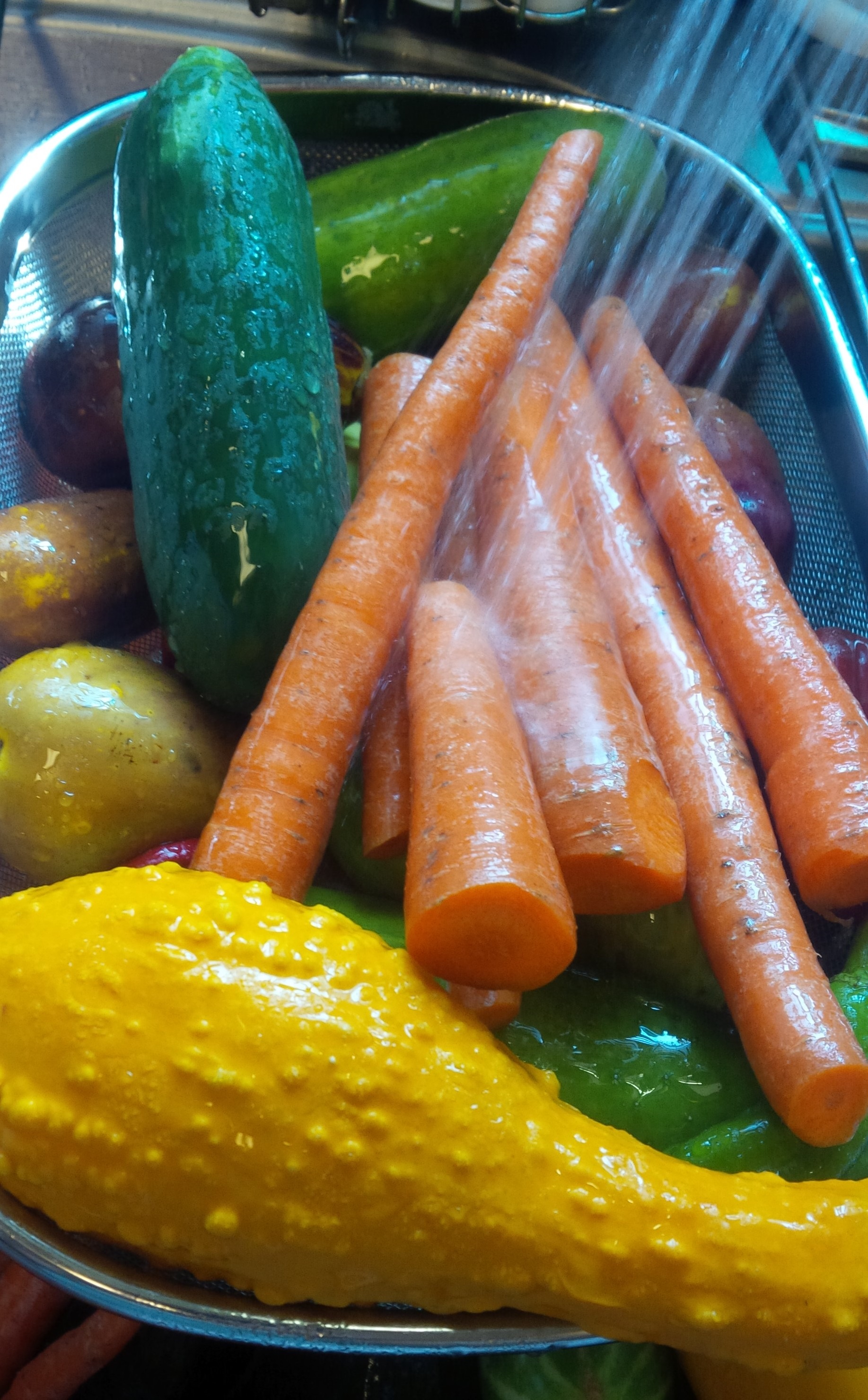
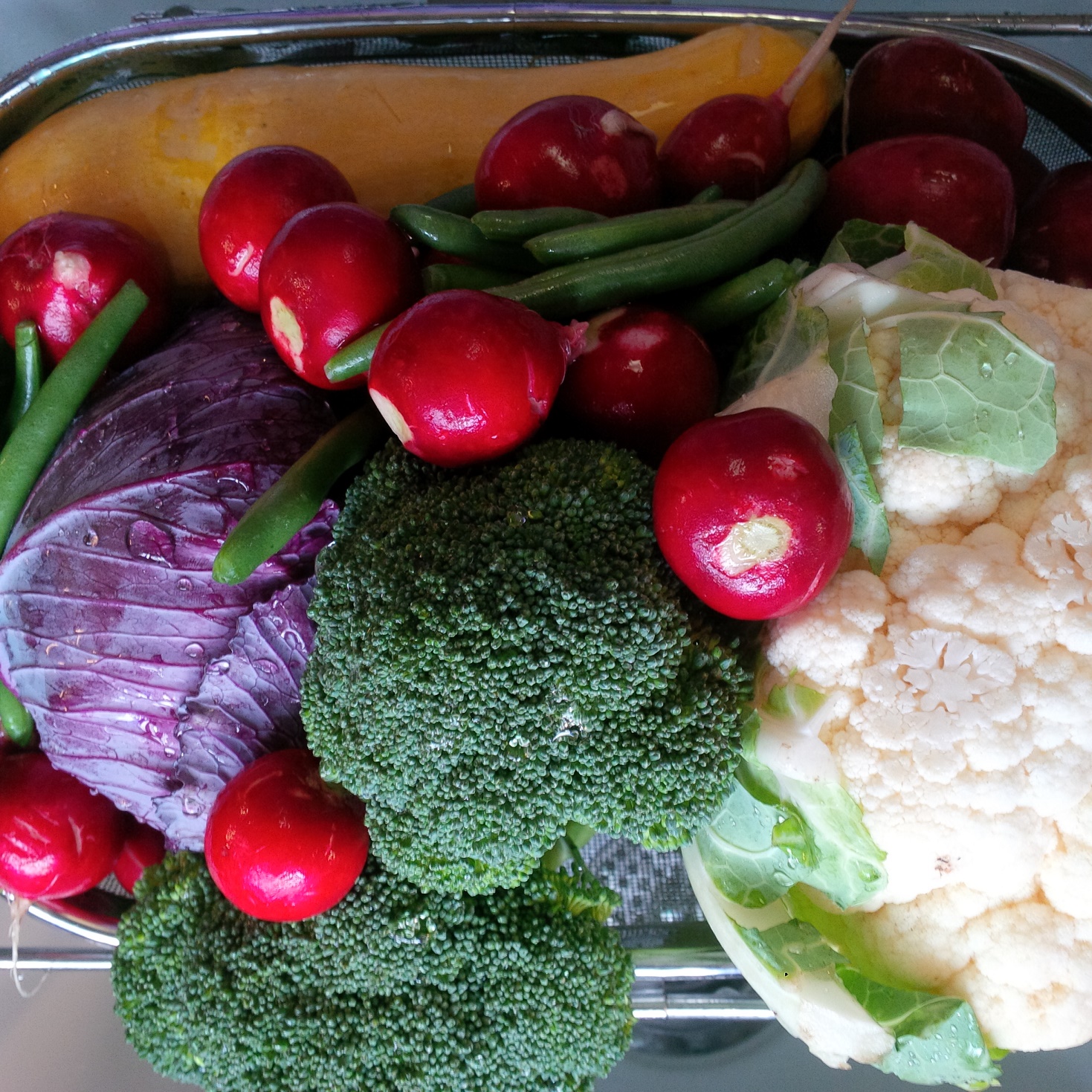
– Clean the food and remove pathogens by soaking, washing and rinsing (vinegar soak technique shown below)
We prepare anywhere between 75 – 150 lbs of fresh produce at a time. We set up the work area and disinfect the surfaces with a mild bleach solution (1:100 bleach/water). This is a weak solution but will disinfect most surfaces. Do not spray or mist near birds – use a bucket or dishpan and rag.
 
Once surfaces are prepped, allow them to dry over a couple of minutes. You should use enough solution for the area to remain wet for at least three to five minutes. Do not rinse, just allow to air dry.
 
We never place food directly on counters or tables. We always use cutting boards that have been sanitized in the dishwasher.
 
First we rinse and scrub any visible dirt from the produce. Then we will a fill clean, sanitized container with vinegar and water 1:3 mixture – one part vinegar to 3 parts water. We then soak the produce in this for 5 minutes contact time. In scientific tests done by researchers at Cooks Illustrated, it was proven that using a soak or spray of this solution, you can eliminate 98% of pathogens on your produce. This is even more effective that scrubbing with a brush. (https://www.npr.org/templates/story/story.php?storyId=14540742) You can use a sprayer bottle, and we do with some of the more delicate produce.
After soaking or spraying, rinse very thoroughly. Be careful to handle the produce only with very clean or gloved hands once it is wash to avoid re-introducing pathogens. We use disposable nitrile gloves.


Once rinsed, the produce is ready to be processed either by hand or mechanically. Alternately, you can offer some produce whole as a foraging opportunity.

 
Once processed, the food should be minimally handled and stored in containers that have been sanitized in a dishwasher. Food processed using aseptic technique will be safer and last longer than conventionally prepared produce. Don’t believe me? Try doing the “sniff test.” Do a small batch of diced food by hand without the washing and soaking, then do the rest using aseptic technique. Fill two small bowls with each and leave on the counter for 4-5 hours at room temperature. When you return, the bowl that was not washed and soaked will have a distinctly “sour” smell. If cleaned thoroughly, the other bowl will usually have little to no smell.


It’s a lot of work, but worth it both in the happiness and health of your feathered companions.


01Sep/18

In Season?

What do we mean when we say we feed “in season”? It means we focus on what it ripe now, locally. All spring and summer long, we feed what’s currently ripening as our supplier, Double B Farm, brings us literally just-picked fresh food directly from their farm.

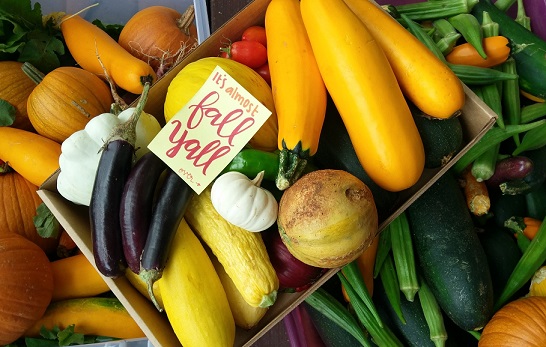
There are some advantages to this. One is that you are feeding a varied diet. While that mysterious “pellet tree” seems to provide the same old pellets with the same old ingredients year round, real food is never that boring. Spring brings baby greens, young, tender peas – packed with protein and iron – and the tenderest young roots of beets and radishes will be a delight to the palate. Summer brings tender summer squashes, kohlrabi, sweet berries and melons of all sizes and flavors. Fall brings us the hard squashes and pumpkins – rich in vitamin A and Vitamin K – as well as potassium-rich parsnips, rutabagas, apples and pears, and much more. While winter offerings are more sparse, you can often find huge stalks of Brussels sprouts which are a healthy foraging delight!

Feeding seasonal has another very big advantage. The more produce you offer from the seasonal fare, the more you can source as locally as possible. That means the food is fresher and retains more of it’s flavor and nutrients.

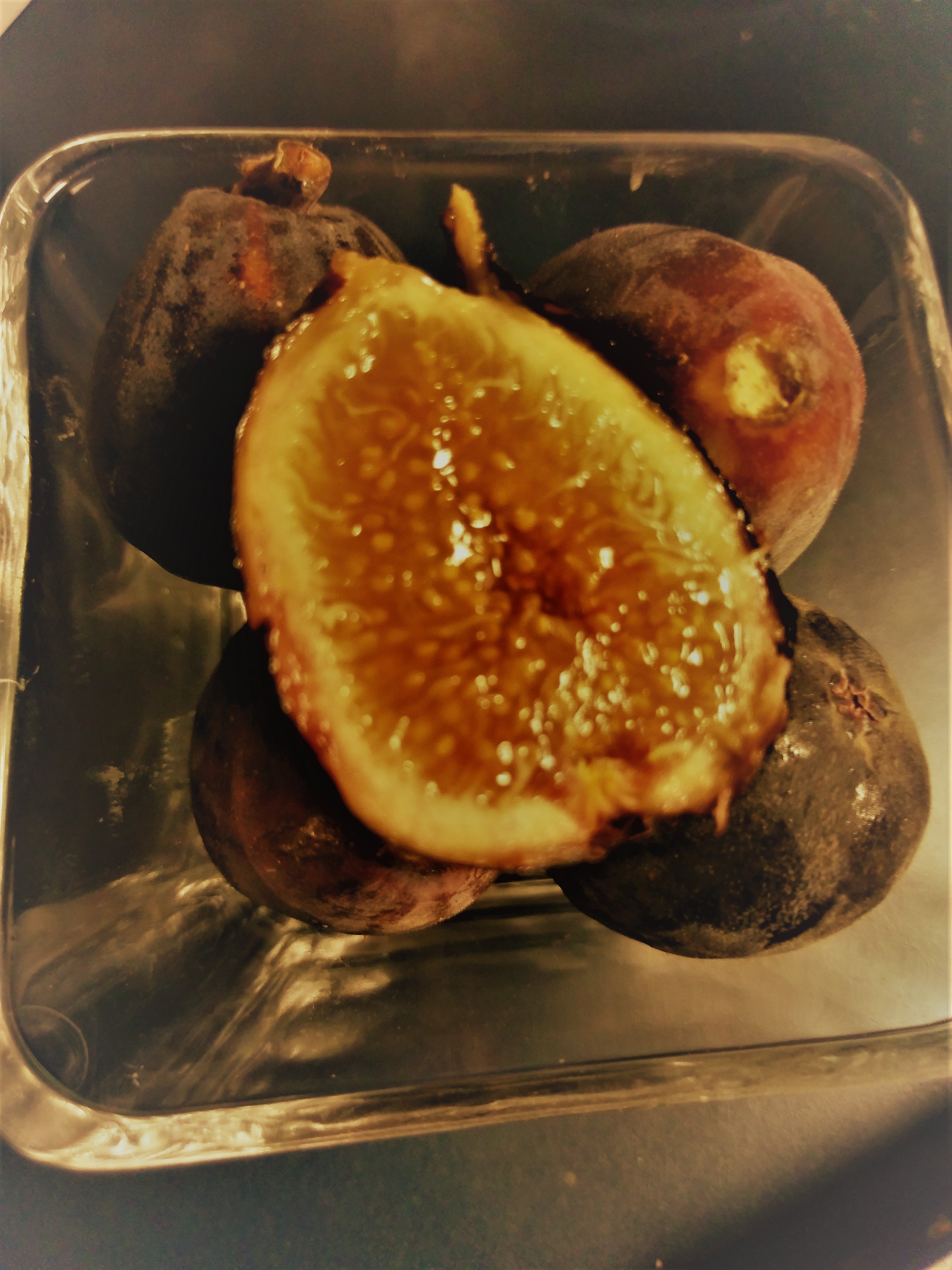
Figs are in season right now, and we were blessed with some very tasty figs from one of the wonderful families that adopted their bird from us. We also found some lovely black figs at Sprouts, so I got enough to share in the bounty because fresh figs are a seasonal delight that I relish as much as the birds do! They are so healthy and a good way to get calcium into your bird’s diet. Each fresh fig has 35mg of calcium. If you’ve never eaten a fresh fig, they are really not like the dried ones, less sticky sweet and with a light, fruity taste.

Fresh ripe figs

Dried figs, because of the concentration effect caused by removing water, have a much higher amount per serving but remember that feeding dried fruits also means the concentration effect means the sugars are more concentrated because the food is now lighter due to the lack of water. It’s all about proportions, and when you reduce the amount of water, every other nutrient is more concentrated in proportion. This is not to say that feeding dried foods is bad – on the contrary. Just keep in mind that a serving of fruit should be equal to the amount of a serving that isn’t dried. In other words – two slices of banana will contain the same amount of sugar whether dried or fresh, but the dried ones will be much smaller and lighter and you may be tempted to toss in a few more to make up a “serving” – when in reality you should feed the same number of slices, regardless. It will look like your bird is getting a lot less but really they will be getting the exact same nutrition.

To be continued….. watch this space for MORE….

25Jul/18

Buyer Beware – for the sake of your birds

(Author’s note: This blog entry was originally published on March 20, 2017 on our standalone WordPress blog at avianrefuge.wordpress.com – link here – however since launching our new website, we have integrated blogging into the site itself and will no longer be updating the blog at avianrefuge.wordpress.com. We will be porting some of the articles over to this blog on our new website, as time allows.)

In the world of social media you are bombarded by information from many sources. A wise friend once told me in a tone of absolute sarcasm: “On the Internet, everyone is an expert. Just ask them.” How is a person seeking answers supposed to sort through it all to find true, accurate information? One of the best rules to follow first, when sifting through information: consider the source.

In the early days of my years in college, we neophytes were duly cautioned about gleaning information from the Internet when doing research for our papers. Of course, Wikipedia was absolutely verboten. As one professor said, “Anyone can put anything on Wikipedia whether it’s true, accurate, or not.” But there were other caveats offered. The most important one was always “Consider the source.” Unreliable sources were discounted as much as if you hadn’t provided a source at all.

What are we considering? First – does the source have an agenda? Do they have some underlying motivation to twist, distort, spin or hide the truth? Do they have something to gain by presenting “information” that casts them, or a product or service they offer, in a favorable light? Then always be suspect. For example, if you are looking for information on a particular remedy, you don’t go to the manufacturer’s website expecting unbiased information. Secondly, does the source appear to conduct themselves in an ethical or an unethical manner? Have you heard other customers complain about unethical behavior? Things like making false claims, or bait-and-switch (when they advertise or show pictures of a superior product but are delivering something other than what they are showing or describing).

On the other hand, just because someone is selling something does not necessarily make them unethical. We work with many vendors who are honest and ethical and value customer satisfaction as well as the health and safety of your bird. But we’ve also found several who absolutely are not ethical nor trustworthy. When you catch someone lying to you or engaging in shady business practices such as “bait-and-switch,” then nothing they say can be trusted and especially if what they are saying directly benefits them.

Here is a good example. We once purchased a supplement containing a ‘natural’ ingredient, Pau d’Arco, that was touted on the product’s listing as having “no known adverse effects or toxicity.” This information came directly from the page where this item was being sold by a third party “bird store” website and was mirrored from the manufacturers own website. After buying the product, we consulted with our veterinarian – who is also a certified veterinary herbalist. She recommended AGAINST this particular product because it can interfere with blood clotting ability, which can cause hemorrhage. We contacted the manufacturer, who initially ignored our email, which was then copied verbatim into a second email and resent. They then claimed they got the first email but had no way to respond — even though it came through exactly the same email account and they were easily able to respond to the second email. I explained what we’d found about the product and suggested that they remove the wording “no known adverse effects” from their site as risk of uncontrollable bleeding IS a significant adverse effect – one that can prove DEADLY. I understand adverse effects very well. I got straight A’s in pharmacology.

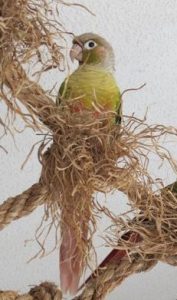
Adorable conure picture for attention! Who wouldn’t trust a face like this?

I’m a registered nurse, and currently studying to become a certified master herbalist. I can tell you that many herbal and OTC “natural” remedies are being sold over-the-counter and touted as completely safe, but one thing that MUST be stressed is that a drug is a drug – REGARDLESS of whether it is a naturally occurring drug or one made in a lab. An adverse effect like interfering with clotting is most definitely an “adverse effect” and should be listed as such. While searching for “Pau d’Arco” returned – not surprisingly due to the very commercial bias of the Internet – glowing testimonials on its use from websites selling it, adding the word “bleeding” to the search returned FAR different results – with warnings on this clearly labeled “adverse effect” from legitimate websites including informative articles from Memorial Sloan Kettering Cancer Center, and Drugs.com. Each of these links show risk of bleeding as well as other adverse effects like “Nausea, vomiting, urine discoloration” and “animal studies reported anemia, and reproductive and chromosomal abnormalities.” (From the MSKCC article, under “Side Effects”)

We followed our vet’s advice and did not use this substance. Neither the seller or company was willing to make up for the purchase. The seller would have issued a refund but shipping the product back would have cost nearly as much as the cost of the item. The manufacturer was in complete denial insisting the product was used by “lots of cockatiel breeders” without any problems. Lesson learned: just because something is published on a web page on the Internet does not mean it is accurate or true ESPECIALLY IF THE WEB PAGE IS PROMOTING SALES OF SAID SUBSTANCE.

If you are looking for information on bird care, please take the time to filter through the background noise of all the companies vying for your dollars. Most of the *best* and most accurate information is going to come from people who aren’t trying to make money by selling whatever they can to bird owners – whether it’s good for your birds or not. There are unscrupulous companies out there that will disseminate “information” that is really just an advertisement to convince you to buy things for your bird that may not be in the bird’s best interest. Look at all the websites that will offer things like toxic “bird protectors” that are really just mothballs in a can (active ingredient – paradichlorobenzen) – with instructions to COVER THE CAGE so your poor bird is forced to breath in CONCENTRATED toxic fumes! These sites will often claim they are just supplying a consumer demand (for a profit, of course) but anyone who truly knows about and cares about the health of birds would not sell a clearly hazardous and toxic product.

Another website purports to be a place for “expert” advice on parrots, yet the site also sells a concoction that is a witches brew of medicinal herbs – including wormwood – many of which are hepatotoxic or nephrotoxic or neurotoxic at high doses. What’s a high dose for a bird? No one knows, because as my vet says, there has been no safe dose established for many of these “homeopathic” remedies that really aren’t homeopathic nor a remedy at all. Here’s what Drugs.com has to say about wormwood: “Toxicology: Wormwood is classified as an unsafe herb by the Food and Drug Administration (FDA) because of the neurotoxic potential of thujone and its derivatives. The safety of wormwood is poorly documented despite its long history as a food additive. Convulsions, dermatitis, and renal failure have been documented.” Does this sound like something you want your bird to have?

Beware of those who claim to practice herbal medicine without any training. Herbs ARE drugs – just in non-standardized doses. Adverse effects are absolutely a risk of taking an herbal supplement. St. John’s Wort has produced documented cases of a life-threatening rise in serotonin levels, called serotonin syndrome, when taken with a “SSRI” (Selective Serotonin Reuptake Inhibitor – a class of prescription anti-depression medications). Taken by itself, at high enough doses, it can have the same effect. It has a mechanism of action that is nearly identical to pharmaceutical SSRIs and is actually widely prescribed for depression in Germany. Just because something is “natural” and not made in a factory does NOT mean it cannot have adverse effects. We recommend you ALWAYS consult an AVIAN vet before administering ANY herbal product to your bird. If your vet is unfamiliar with herbal medication, find one who is.

It’s truly a world of buyer beware and when it comes to your bird’s health, you must be extra-cautious about filtering through the greed-motivated offerings to find the best value in both savings and SAFETY for your little feathered one!


20Jun/18

Help! My bird won’t eat fresh foods!

We hear this quite often from those who have tried feeding fresh food only to have it completely ignored. Our first answer is: “Don’t give up!” Persistence is important, but probably even more important is analyzing how you are presenting the fresh food to your feathered picky eater.

So maybe you watched a video on how to make “chop” and you bought a huge variety of gorgeous produce and spent an afternoon dicing and chopping and mixing and adding ingredients until you had an entire freezer full of single-serve packages of ready-to-thaw-and-serve fresh goodness! Alas, upon serving the first bowl, not much interest was shown. Or perhaps the food was accepted the first time, but when that next bag came out of the freezer, it was met with disdain. This is actually what we went through with Megan, costing us several batches of “chop” before we came to the conclusion that it was better for us to make it up fresh a week at a time and never freeze it.

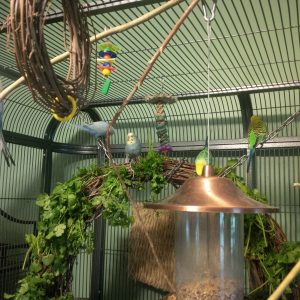
The wreath in the aviary comes alive with fresh, living greens.

Marden had no problems accepting new menu items. He never met a food he didn’t like and approached every offering with great delight and enjoyment. His mother, Ife, is the same way. And following her lead, her mate Adom tries whatever he sees her eat. Social eating is part of being a flock and in the wild that’s how the young birds learn what is safe and what is not. If you see another flock member eating it, and they aren’t dropping off their perch, then obviously it’s not poison, right? This behavior is important because you can often get your bird to try new things by joining them in a meal and eating the healthy food with them. By sharing a dish of fresh, healthy food, you are showing them that the food is safe for them. We all know how our birds are obsessed with sampling whatever they see us enjoying when it comes to eating our own food. It’s because they are social eaters and if we are eating something, they are naturally inclined to want to join in. This sets up a perfect opportunity for getting them to try those new foods.

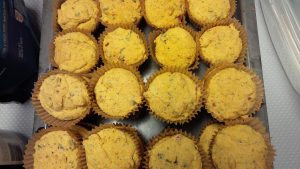
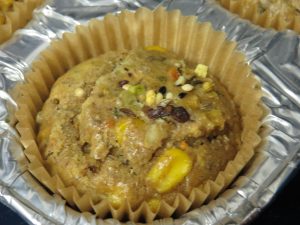
These muffins contain not only healthy grains like flaxseed and quinoa, but they also contain an array of chopped fresh peppers – sweet bell along with hot varieties!

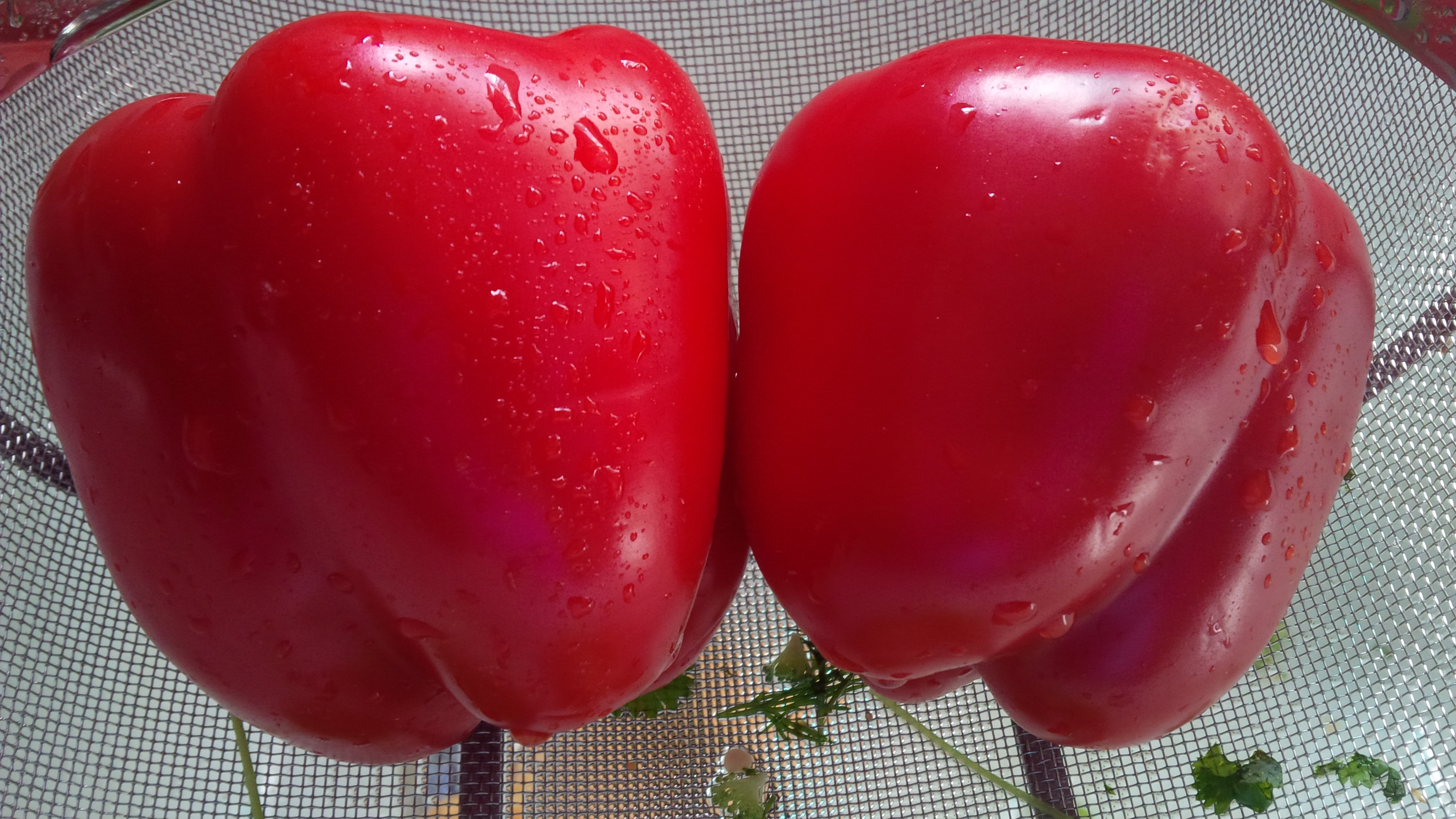
Think outside the bowl. You don’t have to chop, slice and dice that broccoli, or those Brussels sprouts. Hang them, instead! That bell pepper can be skewered and stuffed with other goodies for foraging fun. Hang items in wire baskets, place whole squash or small pumpkins in a large dish or tray and watch the messy fun begin. Grapevine wreaths make excellent places to hang greens or veggies for foraging opportunities.

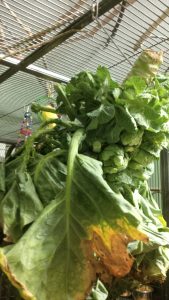
An entire stalk of Brussels sprouts hangs in the aviary. In a matter of days, there will be nothing but a bare stick left.

If your bird doesn’t like a food one day, they may eat it the next. Birds’ tastes can change quickly. Remember that in the wild, they must move quickly between food sources, and what was available yesterday may or may not be available today. So like wild birds, our companions are wired to eat in season, following the crops that are available at given times. This means they may crave something this week, but next week it’s time to move on to something else.

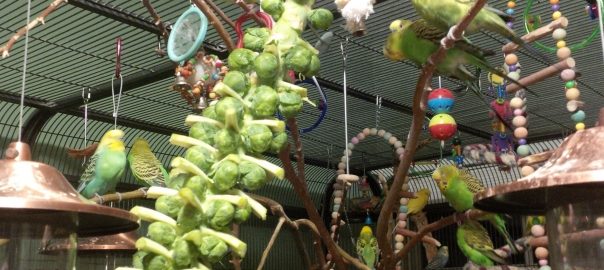
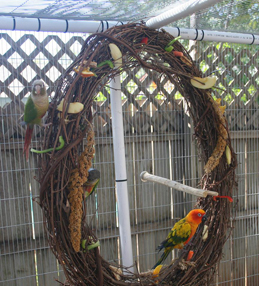
Conures foraging on the “wreath of plenty” strung with fresh veggies, fruits and millet sprays.

I’ve seen birds who completely ignored their fresh food for months and even years, and then one day, they decided to give it a try and discovered how wonderful it is. Many of them are now our best eaters. But this only worked out because we never give up

More to come… stay tuned!.

16Apr/18

Feeding the Flock, Chapter Two – The HOW

Our goal sounds simple: to provide proper nutrition for captive parrots. We’ve already covered why we don’t view manufactured pellets as an option. But how else can we provide “complete nutrition”?

Before we can answer this question, we must have a solid understanding of what defines “complete nutrition” as it applies to parrots. Do the pellet manufacturers have some magical formula that is perfect for every parrot, across a broad range of over 350 species? Of course not. Do they offer a pellet type specific to each species? Of course not. So where do we go for information on what makes a “complete” diet? To nature, of course.

Parrots in the wild eat different things depending on their location, species and season. Can we provide a diet that corresponds with what they eat in the wild? It would be very difficult, because few species have been observed in the wild for enough data to be collected to give us a complete picture of every item they might have been consuming.

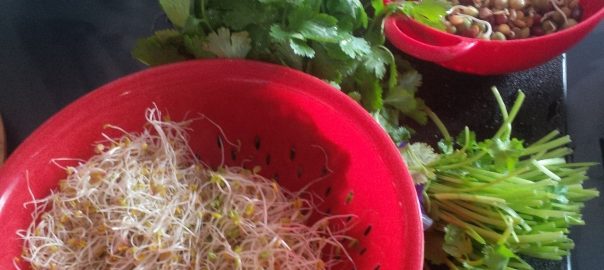
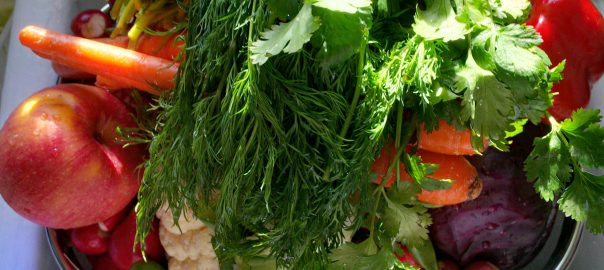
Common sense leads us to examine the physiological needs of parrots and feed a wide variety of fresh and seasonal foods in order to provide the broadest spectrum of nutrients. A “variety” means not just more than one vegetable, but different types of foods. This includes sprouted foods and micro-greens.

Micro-greens

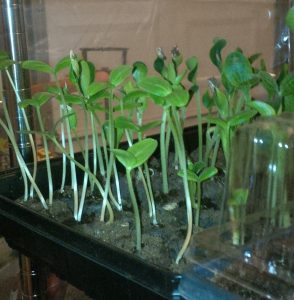
Micro-greens are bigger than sprouts and have leaves.

Fresh foods

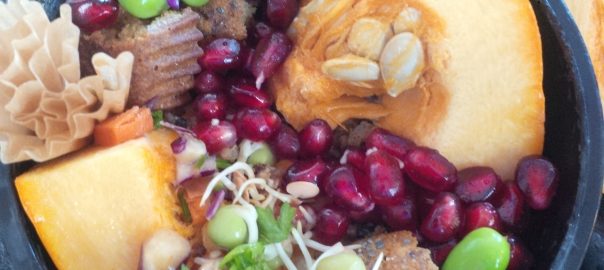
An attractive food bowl is appealing to parrots.

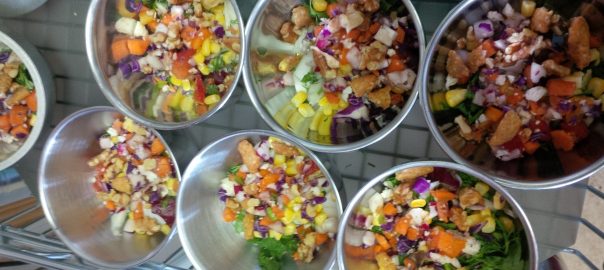
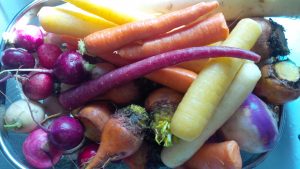
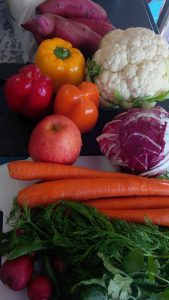
The term “taste the rainbow” may be a catchy marketing slogan for an unhealthy, artificially colored candy, but the term “EAT the rainbow” is a recipe for health. Why? Because many of the substances we call nutrients give the foods their colors, as well.

The natural compounds that color foods in hues of deep blue, dark red, purple or even black are anthocyanins, pigments that are antioxidants that, along with other nutrients, offer a wide range of health benefits. Anthocyanins and anthocyanin-rich extracts in cell culture and in animals have been proven to have anticarcinogenic (anti-cancer) activity, as well as benefitting vision, the cardiovascular system and the brain.

Fresh blackberries

Blackberries, with their deep hues of dark purples and reds, are rich in anthocyanins.

Beta carotenes are bright yellow, orange and red pigments that offer multiple health benefits. They support vision, growth and development, and immune system function. Some foods that are rich in beta carotenes include carrots, papaya, and the red oil palm fruits.  There are approximately 40 carotenoids that are Vitamin A precursors, meaning through normal biological processes the are converted by the body into retinol – aka Vitamin A. Deficiencies of vitamin A seem to be a bit common in parrots, so it’s important to make sure your parrot is getting enough of this essential nutrient.

“White” vegetables such as cauliflower, turnips, kohlrabi, parsnips and corn, are often overlooked in the search for the dietary rainbow, however they all bring their own nutritional punch to the table. Cauliflower contains vitamin C, vitamin K, folate, pantothenic acid, vitamin B6, and choline in significant amounts. Corn contains pantothenic acid, phosphorus, and vitamins B3 and B6. Corn also provides two carotenoids: lutein and zeaxanthin.

Dark green vegetables such as spinach. kale and parsley are high in Vitamins A, C, E and K. Broccoli, bok choy and mustard greens are high in B vitamins as well. Dark leafy green vegetables also contain carotenoids, iron, magnesium, potassium and calcium.

So you can see how providing a wide spectrum of variety in your parrot’s diet will provide the nutrients they need. It’s very important to realize this is a huge commitment in both time and expense. If you cannot afford either, then spend the time to research formulated diets. Don’t believe most of the spin put out by the companies that make them. Read ingredient labels. Look up all words that you aren’t able to identify. Know what you are putting in your bird’s body.

Avoid any food that contains menadione. As mentioned in a previous article, this is a synthetic analog of Vitamin K, and is proven to be cytotoxic (cell-killing) to liver cells. It’s banned in human food, so we don’t feed anything that contains this chemical here.

We also avoid artificial food colorants. While side effects are a topic of debate, we feel it’s best to avoid them as they aren’t beneficial in any way other than altering the appearance of the food. There are plenty of healthy ways to do that. Natural foods come with their own colors, as described above.

Avoid foods with processed sugars. Sugar itself isn’t the devil when it’s at naturally occurring levels. But if a food has lots of added sugar to make it more appealing, chances are it’s not healthy to begin with. This is true of human food but also our companions’ diets as well.

14Apr/18

Feeding the Flock, Chapter One – the WHY

The first time I read the ingredients on a bag of pellets, I was instantly appalled. It wasn’t because we were feeding them to our birds — we never did. I’d already decided they looked a little too much like a cross between over-processed breakfast cereal and kibble. But some vets tried to pressure us into feeding them, with one even telling me I was “killing the birds” by not using pellets. I dug in my heels. In my opinion, pellets were the enemy of a healthy diet, and I wanted to know my opponent. That led me down a rabbit hole of researching strange, chemical-sounding names to figure out what was really being recommended for our birds’ diets. What I found about those ingredients shocked me.

The bar has long hung very low in feeding companion animals. The “animal feed industry” has commonly been the profitable place to dump waste from human food processing. Ingredients like “wheat middlings” (the waste after milling wheat) and “beet pulp” (left over from processing sugar from sugar beets) find their way into companion parrot diets, not because they are beneficial to the health of your bird, but because they are a cheap way to add “fill” to a product that can produce a bigger profit margin. They pander to the consumer who wants an “easy” method of feeding their companions. But, to quote experienced parrot expert EB Cravens, “Please do not think that the convenience of throwing a cat-food like product into the same dish every day is doing your bird any real favours.” We can do better. It’s not easy, but it’s worth the investment in time and money because it will allow birds to thrive, not just exist on a “complete” (aka complete with added toxins and waste fillers) pelleted diet.

Pellets

Does this really LOOK like food?

Pet food manufacturers spend lots of money convincing consumers that their diets are formulated with the best interest of companion animals in mind. But simply reading the ingredient list will tell you all you need to know. When you see a food that is made from “animal feed-grade” ingredients, you can bet your companion’s nutrition is not the top priority. “Feed” grade “foods” are not legal to sell for human consumption. Let that sink in for a moment. Not FIT for human consumption? There’s something that makes it unfit for us to eat. What? However, we are asked to believe that it’s HEALTHY to feed our animal companions. What’s healthy about it? The process of adding a handful of “nutrients” produced in a factory does not make a food “healthy” or “complete”. And it’s still NOT FIT for HUMAN consumption. Why would you believe it would make a healthy choice for any other being?

Yet for our own convenience, we often resort to feeding our companions in this manner. It’s easy – not to mention less expensive – to leave the food preparation to a manufacturer. But is it really healthy?

…be aware – it’s not cheap, nor is it easy. You can’t defrost a spoonful of frozen “mixed vegetables” (typically corn, peas, green beans and diced carrots) and call that a “complete” diet for a parrot.

Sun conure and cockatiel

Healthy food means healthy birds!

There are few studies on the long-term effects of parrot “kibbles” that were not done by agents of their producers. However, common sense and basic physiology tell us a constant diet of dried highly processed foods are contrary to the types of foods eaten in the wild.

Studies in dogs and cats have shown kibbled diets contribute to issues like dry skin, diabetes, and obesity. Here’s a good article on manufactured dry dog and cat foods, written by top veterinarian Dr. Karen Becker. Though this article is focused on dog and cat foods, some of the same drawbacks apply to manufactured foods for many companion species.

Another issue with manufactured foods is what they are doing to them to replace the natural nutrition-if there was much in the original ingredients to begin with-that is inevitably destroyed during processing. As discussed in the article by Dr. Becker, many of these artificially added “nutrients” are sourced from China. Not because they are healthy or superior in nutrition, but because they are cheaper.

One ingredient that is all too common in manufactured animal feed is the toxic menadione. Here is a well-written and referenced article on menadione. While it references menadione in dog food, you will find it in MANY other companion animal diets. After reading this information, ask yourself if this liver toxin belongs in your companion’s food bowl.

Years ago, we fed our cats a commercial kibbled food. After buying a new bag, the cats – all six of them – began to vomit violently. We were instructed by our veterinarian to prepare a bland diet of boiled chicken and rice. The cats all recovered after a couple days, and I contacted the manufacturer, who was apologetic and immediately sent a coupon for a free bag. The woman I spoke with told me that the machine that dispensed the “supplements” had malfunctioned and in “a few bags” added too much of the supplements. Many of these “nutrients” are toxic at above the recommended amounts, thus the voilent vomiting as the cats’ bodies tried to purge the toxins. Please note, there was no recall instituted on this product.

This brings us to a very important point: MANUFACTURED “food” can be subject to MANUFACTURING errors. I see this problem in human food – a recall instituted because some extra ingredient ended up in a product that wasn’t on the label, or a product was packaged in the wrong packaging where the ingredients were completely inaccurate. Think about the term “manufactured food” for a moment, and what that means. It doesn’t sound particularly appetizing, does it? Do you really want to trust your companion’s health to products that are produced by machines and made from ingredients that are “not fit for human consumption”?

Let’s take a closer look at “not fit for human consumption” means. Here is an excellent article on the difference between “feed” (for animals) and “food” (for humans) —

http://truthaboutpetfood.com/is-it-feed-or-food/

While this article primarily relates to manufacture of dog and cat foods, the takeaway for families with birds is this: if you are buying your “feed” at a pet store, the regulations regarding it’s manufacturing and packaging DO NOT MEET HUMAN FOOD STANDARDS. In the aforementioned link to Susan Thixton’s article, she details some of the guidelines that allow “diversion” of foods UNFIT for humans to “pet food” or “animal feed”. Here’s a portion of those “guidelines” that shows just what kinds of “allowances” can be made that would NEVER be tolerated in human food:

” …“CPG Sec. 675.200 Diversion of Adulterated Food to Acceptable Animal Feed Use” states “The *Center* will consider the requests for diversion of food considered adulterated for human use in all situations where the diverted food will be acceptable for its intended animal food use. Such situations may include:
a. Pesticide contamination in excess of the permitted tolerance or action level.
b. Pesticide contamination where the pesticide involved is unapproved for use on a food or feed commodity.
c. Contamination by industrial chemicals.
d. Contamination by natural toxicants.
e. Contamination by filth.
f. Microbiological contamination.
g. Over tolerance or unpermitted drug residues.

The word “diversion” in this sense means THE WASTE (unallowable, contaminated foods) from HUMAN FOOD processing is sent to and used by (DIVERSION) the animal “feed” industry. So things like “pesticide contamination in excess of permitted (for human food) tolerance” or “contamination” by chemicals, toxins, FILTH, MICROBIOLOGICAL (germs!) and DRUG RESIDUES ARE ALLOWED in “pet foods” aka “animal feed” grade food ingredients. This is exactly how the extreme levels of Aspergillus spores ended up in the “pet” food seed mix that we gave Marden, that brought about his untimely death. And this is why “animal feed” grade foods are NOT allowed in our facility, and why I am such a fanatic about what we feed to the birds.

These lower “standards” govern what goes into ANY “animal feed” grade foods – be it a can of wet cat food, any of the dry kibbled/pelleted foods, or even seed and grain mixes. One such contaminant is the mycotoxin produced by Aspergillus spp(fungus) called “aflatoxin”. Aflatoxin levels permitted in HUMAN food are held to 20ppb (parts per billion) as opposed to the 300ppb that is allowed in “animal feed” corn for feed lot cattle, or cottonseed meal for cattle, swine or poultry. That means levels that are FIFTEEN TIMES higher are allowed in animal feed versus human food.

Information on the action level for aflatoxin contamination is located here:
https://www.fda.gov/food/guidanceregulation/ucm077969.htm#afla

Fresh produce

Real food ROCKS!

This is why we don’t feed pellets or any commercial animal-feed-grade foods here. We feel there are natural food sources that offer superior nutrition as well as better food safety. But be aware – it’s not cheap, nor is it easy. You can’t defrost a spoonful of frozen “mixed vegetables” (typically corn, peas, green beans and diced carrots) and call that a “complete” diet for a parrot. For more information on how to give your parrot a healthy, nutritious diet, please check out “Chapter Two, The How.”